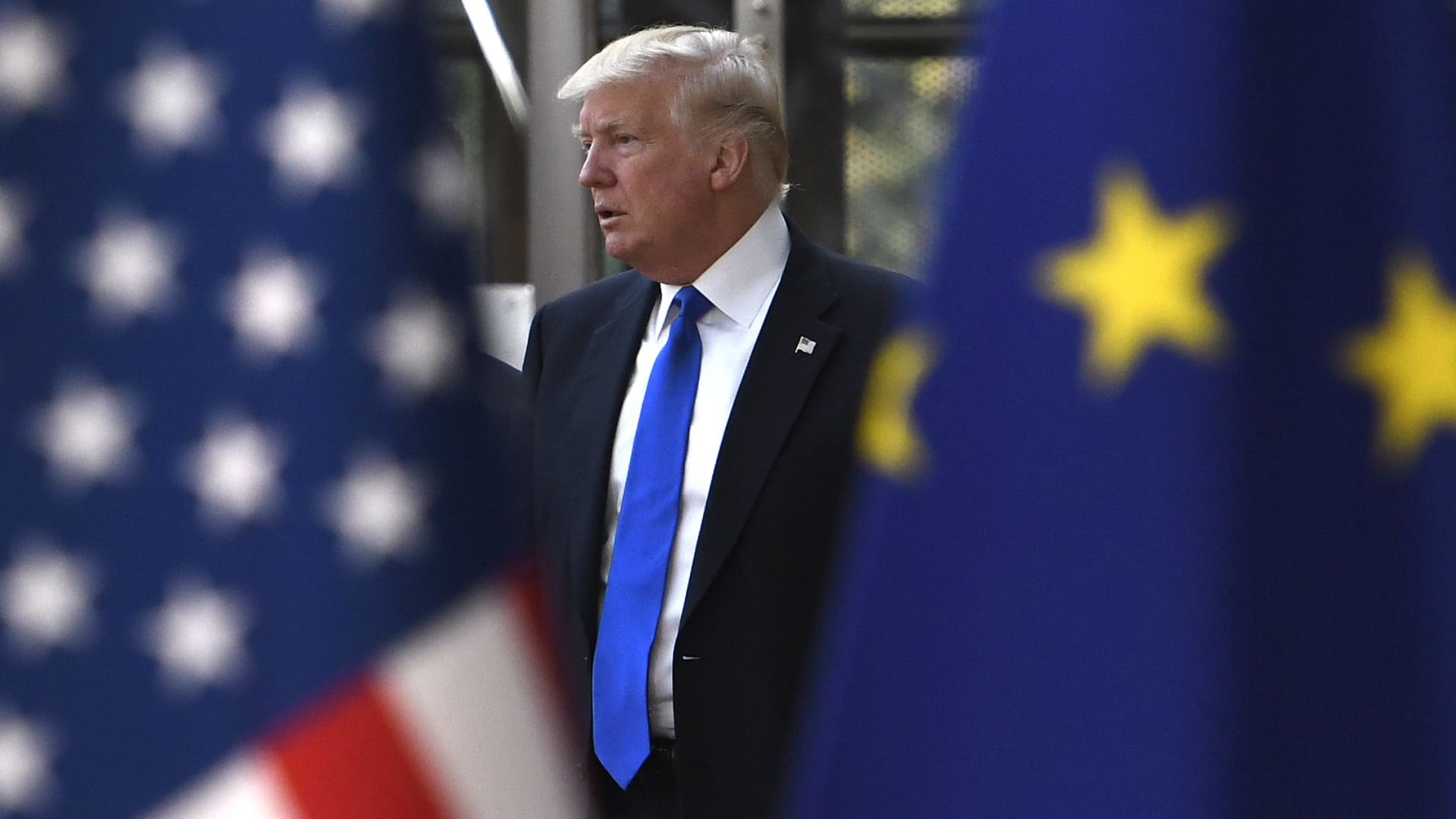

After Donald Trump’s election victory in the U.S., Europe is strategizing on how to cope with potential tariffs on its exports. Trump’s campaign hinted at reviving trade tensions, proposing high tariffs on Chinese products and a 10-20% blanket tariff on all U.S. imports, aimed at boosting American jobs and growth. While such protectionist measures could strain relations with major trading partners like the EU and China, they might also lead to higher prices for U.S. consumers.
Europe is considering ways to mitigate the potential impact, contemplating retaliatory measures if necessary. Some European economists suggest negotiation strategies, like boosting select American imports, to avoid tariffs. Analysts highlight that a “transactional strategy” could involve expanding LNG imports and closing existing negotiation deals on sustainable steel and critical minerals.
Geopolitically, the EU might also seek to align its policies with the U.S., especially regarding China, although this poses challenges given the EU’s economic and political instability. As a potential measure, deeper cooperation with the U.S. on defense purchases and trade agreements is being considered to avert economic setbacks due to tariffs.
The broader challenge lies in Europe’s ability to maintain cohesion in its policy approach towards China, especially if a U.S.-China trade war erupts. This situation demands strategic navigation to avoid major economic disruptions while balancing relationships with both the U.S. and China, as some believe Trump’s policies could push Europe to adopt a tougher stance towards Beijing.
Original Story https://www.cnbc.com/2024/11/11/how-europe-could-try-to-get-around-future-trump-tariffs.html
Category :
Tags: