Unlock the Hidden Dangers: What Really Happens When You Only Pay the Minimum on Your Credit Card

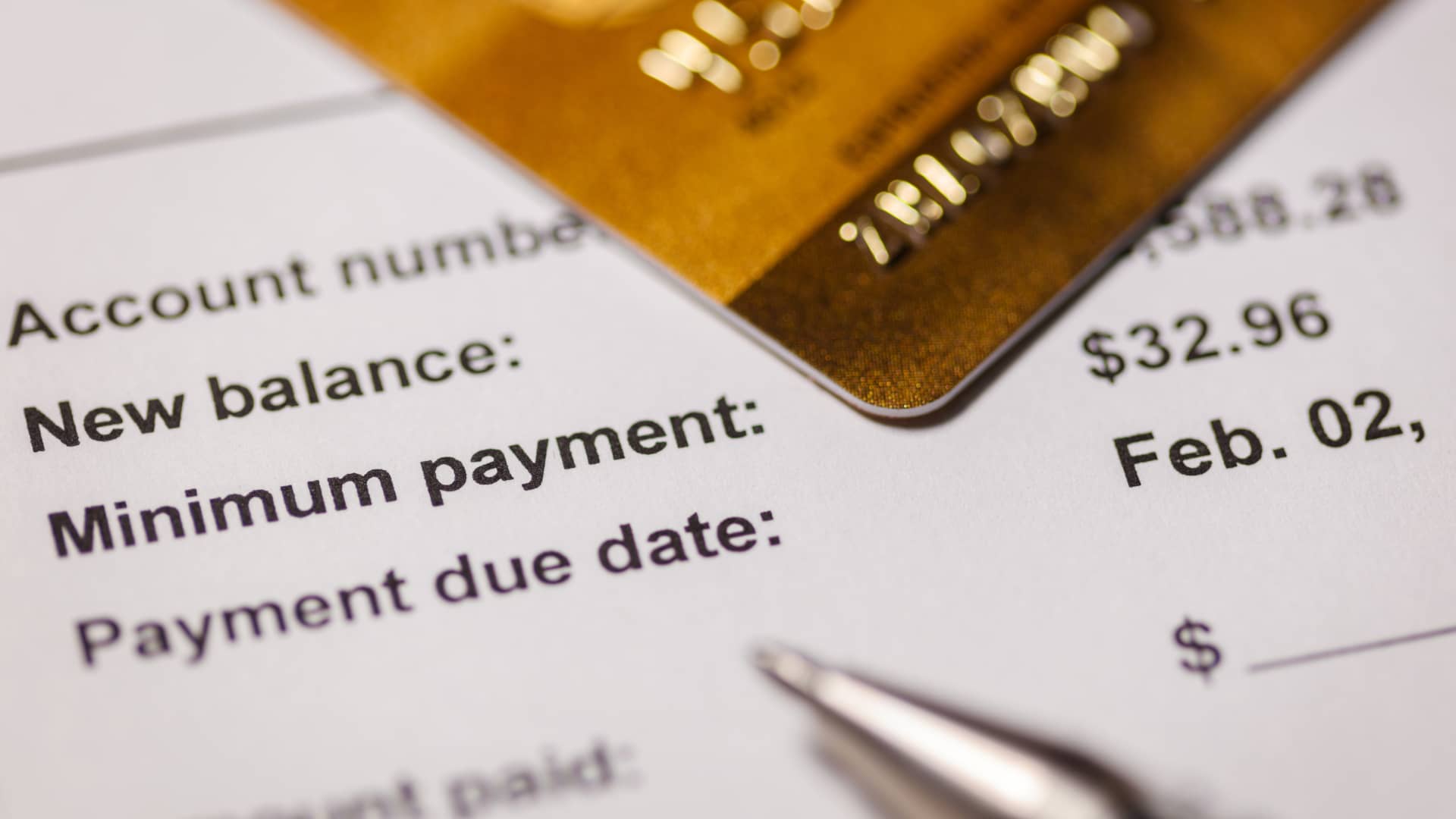
Paying only the minimum amount due on your credit card each month may seem convenient, but it has significant drawbacks. The minimum payment keeps your account in good standing and avoids late fees and penalty APRs, but it also means you carry a balance that accrues interest, making debt repayment more challenging.
Minimum payments vary by issuer, often calculated as a small percentage of your balance or a flat amount, leading to higher payments for larger balances. For example, a $10,000 balance might require a $200 minimum payment. Interest and fees can further increase what you owe. Always check your card’s terms or contact the issuer for specifics.
Making only the minimum payment results in accruing interest and prolonged debt payoff. Required by the Credit CARD Act of 2009, billing statements include a “minimum payment warning,” illustrating the long-term costs. For a balance of $827.32 with a 15.99% interest rate, paying just $25 monthly could take four years and cost $1,113 in total. Paying slightly more, like $29, reduces both timeframe and interest costs.
To avoid high interest, strive to pay your balance in full each month. If struggling with debt, consider a 0% balance transfer credit card, like the Citi Simplicity® Card, which offers 21 months of 0% APR on balance transfers.
Missing minimum payments has severe consequences, including late fees, loss of promotional APRs, and negative impacts on your credit score. If you can’t make full payments, at least exceed the minimum. If issues persist, review your financial habits, cut unnecessary costs, or adjust your bill’s due date to align better with your income.
CNBC Select offers trusted consumer advice to help readers make informed financial decisions, ensuring content is created independently of commercial influences.
Original Story https://www.cnbc.com/select/what-happens-if-you-only-pay-the-minimum-on-your-credit-card/
Category :
Tags: