
By Arild Engelsen Ruud and Mubashar Hasan
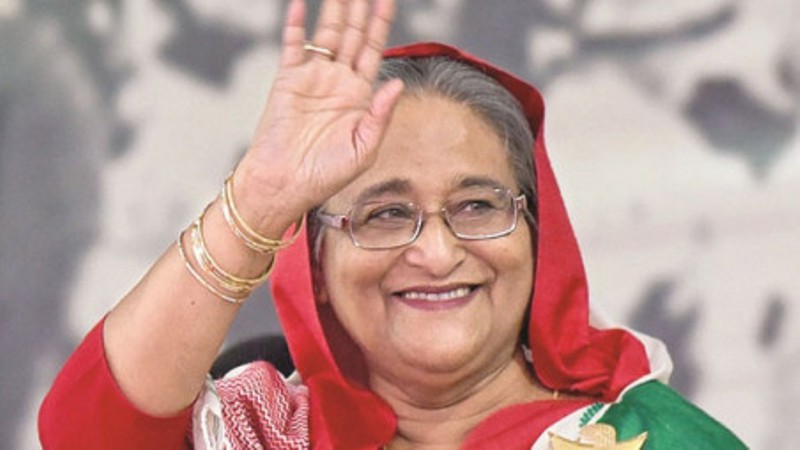
The recent protests in Bangladesh have upended Sheikh Hasina’s long-standing regime, creating a tumultuous political landscape. Sheikh Hasina, who has ruled for 15 years, has fled, leaving the Awami League in disarray. Nobel laureate Muhammad Yunus has been appointed by President Mohammed Shahabuddin to lead an interim government, instilling a temporary wave of hope. However, this optimism must be tempered with the understanding that the country’s fundamental issues remain unresolved.
The uprising was largely driven by students, young people, the urban poor, and political opposition groups, all united in their frustration with Hasina’s authoritarian rule and economic mismanagement. Yet, this collective anger lacks a unified political vision or formal organization, making the movement fragile in the long term.
Despite Hasina’s departure, the Awami League remains a powerful entity. Its political rival, the Bangladesh Nationalist Party (BNP), led by the exiled Tareque Rahman, is now poised to gain significant ground in any upcoming free elections. The political arena also includes other influential players like Jamaat, Hefazat, and various civil society voices, although they are weaker forces.
The road ahead for Bangladesh is uncertain, with four potential scenarios emerging. First, Yunus could leverage the current momentum to implement comprehensive reforms and establish free elections, meeting demands for a new caretaker government. Second, if Yunus falters, veteran politicians and opportunistic officials may seize control. Third, prolonged disagreements and economic downturns could force Yunus to resign, leading to a military takeover followed by a BNP resurgence. Lastly, students could form a new political party, disrupting the traditional two-party system and fostering a more democratic transition.
While the future remains unpredictable, the resilience of entrenched political forces and the demand for meaningful reform will shape Bangladesh’s path forward.
Arild Engelsen Ruud is a professor at the University of Oslo. Dr. Mubashar Hasan is a postdoctoral research fellow at the same institution. This article is published under Creative Commons by 360info.
Original Story https://nenews.in/opinion/what-next-for-bangladesh/12830/
Category : Opinion,Awami League,Sheikh Hasina
Tags: